





Understanding the psychological triggers that drive gambling behavior
The Allure of Risk and Reward
The thrill of gambling often lies in the concept of risk and reward. The possibility of winning a significant amount of money can be incredibly enticing, especially when considering options available at fortislots-casino.com. This allure is magnified by the immediate gratification that comes from winning, which creates a dopamine rush in the brain. This chemical reaction is similar to the excitement experienced from other activities, such as exercising or engaging in a thrilling sport. The anticipation of potential financial gain can be a strong motivator for many individuals, compelling them to return to gambling venues, whether online or in person.

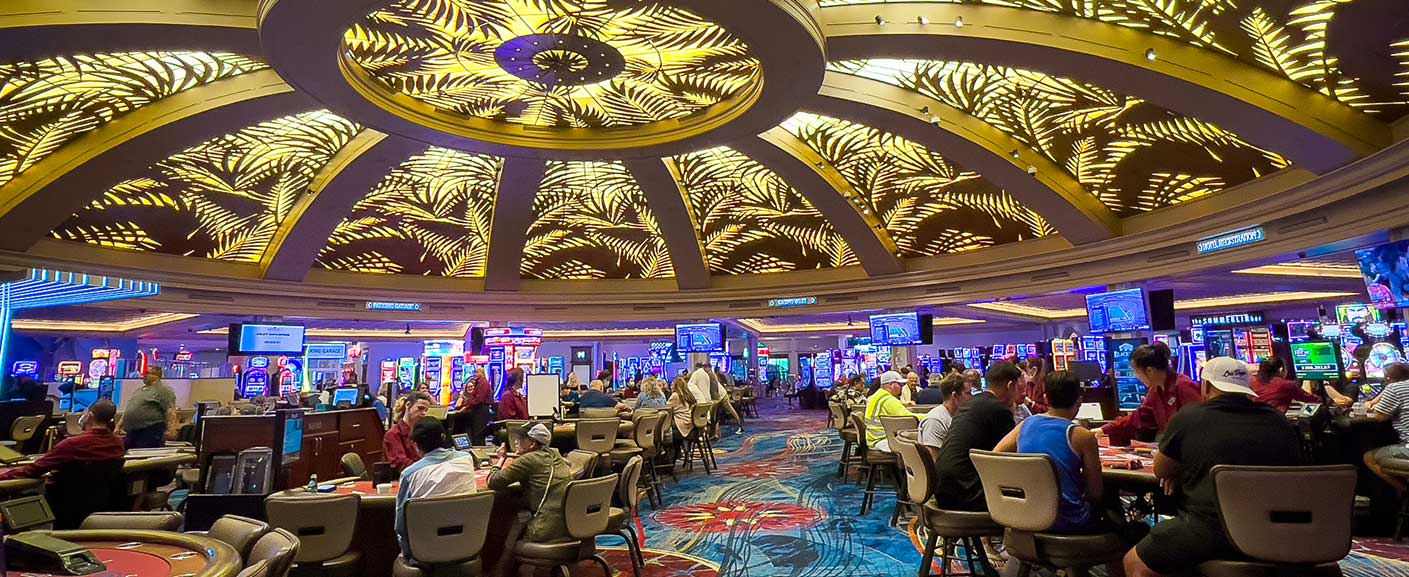
Moreover, the design of both online and land-based casinos contributes significantly to this allure. For example, bright lights, engaging sounds, and the visual display of potential winnings create an atmosphere filled with excitement. This sensory stimulation is carefully curated to evoke emotional responses that encourage prolonged engagement. Understanding this psychological aspect is crucial for both players and casino operators, as it drives gambling behavior and can lead to habitual gambling practices.
The dual nature of risk in gambling is also intriguing. While the risk can lead to substantial rewards, it can also lead to significant losses. This paradox can create a compelling cycle where players continue to chase losses, driven by the hope of future wins. This behavior underscores the importance of recognizing one’s own psychological triggers and understanding how they can influence decision-making processes related to gambling.
Social Influences and Peer Dynamics
Social influences play a significant role in gambling behavior. The presence of peers can either encourage or discourage individuals from engaging in gambling activities. For many, gambling can be a social event, where friends gather at casinos or partake in online gaming together. This communal aspect can amplify the enjoyment of gambling, making it more enticing. Social pressures or the desire to fit in can lead individuals to gamble even when they might have reservations, showcasing how social dynamics can deeply impact personal choices.
Additionally, the rise of social media and online forums has transformed how people interact with gambling. Online platforms allow players to share their wins and losses, creating a sense of community and camaraderie that can be difficult to resist. This exposure can lead to an increase in gambling behavior as individuals see their peers enjoying significant wins. The desire for social recognition, coupled with the thrill of gambling, can make this activity even more appealing, leading to increased participation in both online and land-based casinos.
Ultimately, understanding the role of social influences on gambling behavior is essential. As people navigate their relationships, they may find themselves swayed by friends or family members to engage in activities they may not have pursued otherwise. This underscores the importance of being aware of these influences and making conscious decisions based on individual preferences and limitations.
The Role of Cognitive Distortions
Cognitive distortions are another crucial factor that can drive gambling behavior. These are faulty thought patterns that can lead individuals to make irrational decisions. For example, the “gambler’s fallacy” is a common misconception where players believe that past outcomes can influence future results. This misunderstanding can lead to chasing losses or overconfidence in one’s ability to predict outcomes. Cognitive distortions often result in a skewed perception of risk and reward, making gambling seem more appealing than it may realistically be.
Moreover, individuals may also overestimate their chances of winning based on previous experiences or hearsay. When someone shares a story of a big win, it can create an illusion of a higher likelihood of success, prompting others to join in. This distortion can lead to increased gambling behavior, as individuals feel a false sense of security regarding their potential for winnings. The persistence of these cognitive biases is a significant aspect of gambling psychology that needs to be addressed for informed decision-making.
Addressing cognitive distortions in gambling behavior is not just essential for players but also for operators and counselors. By providing education and resources about these misconceptions, individuals can be better equipped to navigate their gambling experiences more responsibly. Recognizing these thought patterns can be a powerful tool in reducing harmful gambling habits and promoting a healthier approach to gaming.
Emotional Triggers and Gambling Addiction
Emotions play a pivotal role in gambling behavior, often acting as triggers that propel individuals toward betting activities. Many people use gambling as a coping mechanism to escape from stress, anxiety, or depression. The rush of excitement and the potential for winning can temporarily alleviate negative feelings, creating a cycle where individuals turn to gambling whenever they experience emotional distress. This behavior can easily spiral into addiction, as the initial relief provided by gambling may lead to a greater reliance on it as a coping strategy.
Furthermore, feelings of excitement and joy that accompany wins can reinforce gambling behavior. The emotional highs associated with winning can overshadow the financial losses experienced, creating a false sense of success. This cycle can be particularly detrimental, as individuals may continue to gamble in pursuit of those highs, unaware of the potential long-term consequences. Understanding this connection between emotions and gambling behavior is crucial for both individuals and support systems.
Recognizing the emotional triggers that lead to gambling can empower individuals to seek healthier coping mechanisms. It’s vital to promote awareness and provide support for those who struggle with emotional issues that contribute to gambling behavior. By addressing these underlying emotional needs, individuals can find alternative outlets that provide fulfillment without the risks associated with gambling.
Exploring Fortislots Casino: A Safe Gaming Experience
Fortislots Casino stands out as a premier online gaming destination designed to provide a safe and engaging environment for players. With a broad selection of over 80 games from various providers, players can enjoy everything from video slots to live tables, ensuring a diverse gaming experience that caters to different preferences. The platform’s commitment to secure transactions and multi-currency support further enhances the user experience, making it accessible to a global audience.
The casino also offers a generous Welcome Bonus Package, which includes up to €3000 and 300 Free Spins. These promotions are designed to attract new players and encourage them to explore the vast array of games available. Exclusive promotions and VIP rewards enhance the gaming experience, providing additional incentives for players to engage with the platform regularly.
In summary, Fortislots Casino combines an exciting gaming environment with safety and security, allowing players to enjoy their favorite games responsibly. As individuals explore this platform, understanding the psychological triggers associated with gambling becomes essential. By being aware of these triggers, players can make informed decisions and have a more enjoyable gaming experience.