





Understanding the psychology behind gambling behavior
The Allure of Gambling
The psychology behind gambling behavior is fascinating and complex, with numerous factors contributing to why individuals engage in this activity. Many people are drawn to the thrill and excitement that come with the potential for winning. This allure is not merely about financial gain; it taps into deeper psychological needs such as the desire for risk and adventure. As players place their bets, the anticipation builds, creating a rush that can be both exhilarating and addictive. For additional insights into this exciting world, you can visit www.diamond7casinoreview.com, which explores various aspects of online gaming.
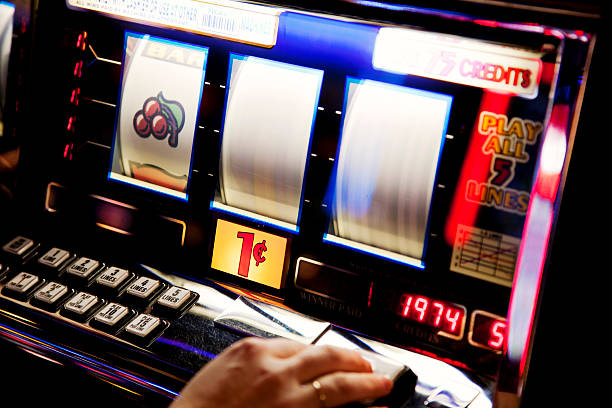
Additionally, gambling provides an escape from daily life and its stresses. For some, it becomes a form of entertainment where they can immerse themselves in a different reality, even if temporarily. The sensory environment of casinos, with their bright lights and stimulating sounds, enhances this escapism, making it easy for individuals to lose track of time and their spending.
The Role of Cognitive Biases
Cognitive biases play a significant role in gambling behavior, influencing how individuals perceive their chances of winning. One common bias is the illusion of control, where gamblers believe they can influence the outcome of random events. For instance, a player may think that their strategy in a card game can significantly alter the result, despite the inherent randomness of such games.
Another prevalent bias is the gambler’s fallacy, which leads players to believe that past outcomes can predict future results. For example, if a slot machine has not paid out recently, a player may feel it is “due” for a win. This thinking can perpetuate continued gambling, as individuals chase losses with the hope of achieving a return on their investment.
The Impact of Emotions
Emotional factors significantly influence gambling behavior, affecting decision-making and risk assessment. For many, gambling acts as an emotional outlet, providing a means to cope with feelings such as stress, anxiety, or loneliness. In this way, gambling can serve both as a distraction and a temporary relief from emotional distress.
Moreover, the highs and lows associated with gambling can trigger intense emotional responses. Winning can lead to feelings of euphoria, while losing can evoke disappointment and frustration. This cycle can create a powerful emotional pull, making it difficult for individuals to walk away, even when they know they should.
The Influence of Social Factors
Social influences also play a crucial role in gambling behavior. Peer pressure and social acceptance can encourage individuals to engage in gambling activities, especially among younger demographics. When friends or family members view gambling as a fun and socially acceptable pastime, individuals may feel compelled to join in, regardless of their personal feelings towards it.
Additionally, the rise of online gambling has shifted social dynamics, allowing individuals to participate in gambling activities from the comfort of their homes. Online platforms often incorporate social elements, such as chat functions and leaderboard systems, which can enhance the social experience and further entrench individuals in gambling culture.

Responsible Gambling and Resources
Understanding the psychology behind gambling behavior is essential for promoting responsible gambling practices. Resources and tools are available to help individuals recognize the signs of problematic gambling and make informed decisions about their gaming habits. Websites often provide valuable information on responsible gambling, including tips for setting limits and recognizing when to seek help.
For those seeking support, various organizations offer guidance and resources tailored to assist individuals in managing their gambling behavior. By fostering a better understanding of the psychological aspects of gambling, we can empower individuals to enjoy gambling as a form of entertainment while remaining mindful of potential risks.